

If you’re shopping for a compact SUV, odds are you’ve landed on two of the biggest names in the segment: the Subaru Forester and the Toyota RAV4. Both sell well, both are respected, and both have loyal owners. But when you zoom out and look at real-world driving in real-world weather, there’s one SUV that constantly gives drivers more traction, more comfort, more safety, and more value as standard. Spoiler alert, it’s the Subaru Forester.
Let’s break down the comparison and why the Forester continues to win over drivers at All American Subaru in Old Bridge.

What Makes the Subaru Forester the Better SUV
1. Every Trim Gets All-Wheel Drive, No Upgrades Needed
Unlike the RAV4, where AWD is an added upgrade on most trims, the Forester includes Subaru’s Symmetrical All-Wheel Drive as standard on every model. No configuration digging, no extra packages, no paying for something that should already be included. This means superior traction in rain, snow, mud, gravel, and anything seasonal roads decide to throw your way. Subaru built its entire lineup around AWD capability, and it shows in how the Forester performs year after year.
2. More Interior Comfort and Headroom for Actual Humans
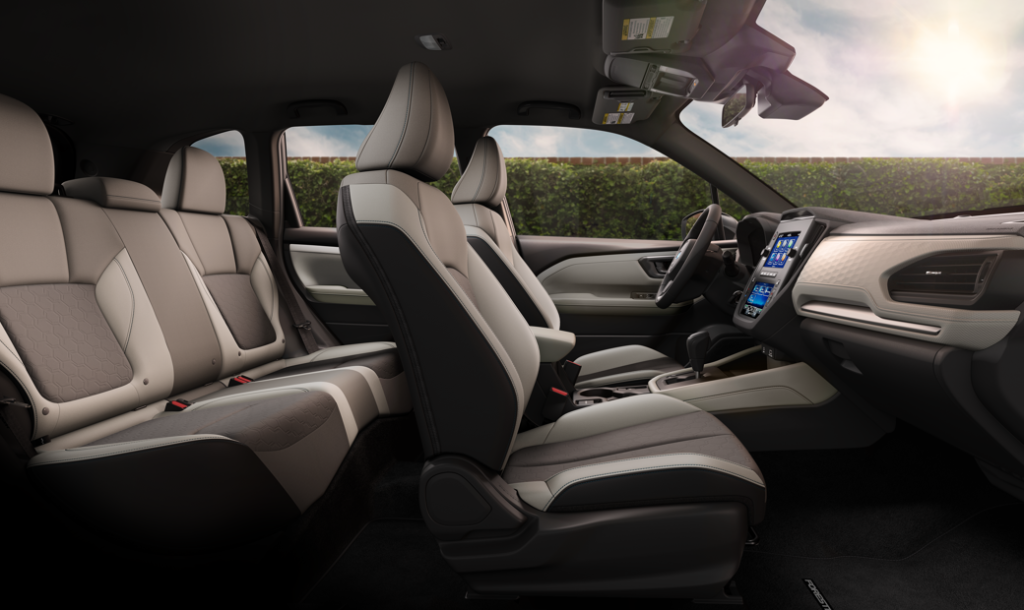
The Forester is designed taller, wider, and more thoughtfully inside than the Toyota RAV4. The cabin offers open, airy headroom, great visibility, and a back seat that doesn’t force your passengers to fight for space. Subaru engineered the Forester with daily comfort in mind. It’s not just about getting from A to B; it’s about enjoying the ride while you do it.
3. The Legendary Boxer Engine = Balanced, Smooth, Reliable
The Forester uses Subaru’s 2.5-liter 4-cylinder Boxer engine, built low and balanced for improved stability, less cabin vibration, and a smoother daily drive. The Toyota RAV4 may have an edge on paper with a slightly stronger base horsepower. Still, consistent everyday stability beats quick power spikes most drivers won’t feel on the school run or grocery loop.

4. Safety is Standard, Not Optional
Subaru doesn’t treat safety as a trim level perk. The Forester includes Subaru’s EyeSight Driver Assist Technology suite as standard, which includes advanced adaptive cruise control, lane centering, pre-collision braking, and traffic management tools. Toyota offers safety packages, but Subaru bakes it into every model’s DNA.
5. Better Visibility and Driver Confidence Across All Conditions
One of the most consistent things owners say when switching from RAV4 to Forester is visibility. Subaru positioned windows, seat height, and side mirrors in a way that gives drivers more road awareness, fewer blind spot surprises, and more confidence behind the wheel. Especially important if you share the car with new drivers or growing families.
| Feature / Category | Subaru Forester | Toyota RAV4 |
| Drivetrain | AWD standard on every trim | AWD is optional on most trims; FWD standard |
| Engine Type | 2.5-L 4-cyl Boxer engine | AWD is optional on most trims; FWD is standard |
| Stability | Extremely balanced design for improved control | Traditional engine layout, slightly higher center of gravity |
| Safety Suite | EyeSight standard on all trims | Safety packages vary by trim |
| Visibility | Best in class sightlines + taller driver position | Good visibility, but lower seating angle |
| Weather Performance | Built for snow, rain, and seasonal confidence | Performs best in AWD trims only |
Which SUV Wallet-Wise Drivers Choose
The Subaru Forester often costs slightly more at base price than a front-wheel drive Toyota RAV4, but you’re getting so much more as standard. AWD, driver-assist safety tech, cargo versatility, higher driver seat visibility, passenger comfort, and seasonal readiness are all included from the start. When another brand forces you to upgrade to match standard features, the value gap becomes obvious fast. Subaru simply gives you more SUV for your money.
Why Forester Shines at All American Subaru in Old Bridge
Drivers in New Jersey experience all types of seasonal roads. From rainy highways near Howell to snowy commutes rolling toward Staten Island, the Forester handles it without needing an AWD upgrade first.
We see this every day at All American Subaru. Buyers come in comparing the Subaru Forester to competitors, test drive both, and leave realizing one thing:
A SUV that promises AWD capability is very different than an SUV that includes it always.
If you want a compact SUV that comes prepared, protects your passengers, rides smoothly, handles seasonal roads with confidence, and packs the value most buyers don’t notice until after they sign paperwork, the Subaru Forester is the superior choice to the Toyota RAV4.
Final Verdict: The Subaru Forester Wins Where it Actually Matters
AWD confidence beats optional capability. Comfort beats trend appeal. And standard safety beats à la carte packages every time.
Connect with us


Archives
- Subaru Ascent
- Subaru BRZ
- Subaru Crosstrek
- Subaru Crosstrek Hybrid
- Subaru Electric Vehicles
- Subaru Forester
- Subaru Forester Wilderness
- Subaru Forester Wilderness Hybrid
- Subaru Getaway
- Subaru Impreza
- Subaru Manufacturing Options
- Subaru Outback
- Subaru Outback Wilderness
- Subaru Service
- Subaru Solterra
- Subaru Trailseeker
- Subaru Uncharted
- Subaru Vehicle Features
- Subaru Vehicles
- Vehicle Comparison
Categories