

The Subaru Forester Hybrid and Honda CR-V Hybrid give compact SUV shoppers a way to improve fuel efficiency without making the switch to a fully electric vehicle. Both combine gas and electric power, offer spacious two-row interiors, and are designed for practical everyday driving. But there are some important differences between them. The 2026 Subaru Forester Hybrid combines hybrid efficiency with standard Symmetrical All-Wheel Drive, 8.7 inches of ground clearance, impressive driving range, and the capability Subaru drivers expect. It has also earned recognition as a 2026 Consumer Reports Top Pick, making it an especially compelling choice for drivers looking for efficiency without sacrificing versatility. For drivers near Old Bridge, NJ, the Forester Hybrid offers a strong combination of fuel savings, all-weather confidence, comfort, and capability. 2026 Subaru Forester Hybrid vs Honda CR-V Hybrid Comparison Category 2026 Subaru Forester Hybrid 2026 Honda CR-V Hybrid Hybrid Horsepower 194 hp 204 hp Consumer Reports Tested MPG 34 MPG Overall 35 MPG Overall All-Wheel Drive Standard Symmetrical AWD Available Ground Clearance 8.7 Inches Up to 8.2 Inches Driving Range Up to 581 Miles Varies by Configuration Standard Touchscreen 11.6 Inches 9 Inches Traction Technology Standard X-MODE® Available AWD Consumer Reports Recognition 2026 Top Pick Highly Rated Consumer Reports Names the Forester Hybrid a 2026 Top Pick One of the biggest reasons to consider the Forester Hybrid is its performance in independent testing. The Subaru Forester Hybrid is a 2026 Consumer Reports Top Pick, an honor awarded to only 10 vehicles across the entire automotive market. Consumer Reports highlights several Forester Hybrid strengths, including its excellent outward visibility, comfortable ride, roomy rear seat, and impressive fuel economy. Consumer Reports also expects the 2026 Forester Hybrid to be more reliable than the average new vehicle. For shoppers comparing hybrid SUVs for long-term ownership, that combination of efficiency, comfort, capability, and predicted reliability makes the Forester Hybrid stand out. Subaru Forester Hybrid Inventory Hybrid Efficiency Without Giving Up Subaru Capability Choosing a hybrid used to mean prioritizing fuel economy above almost everything else. The Forester Hybrid takes a different approach. Its hybrid system combines a 2.5-liter SUBARU BOXER® engine with electric power to produce a combined 194 horsepower while improving fuel economy compared with the conventional Forester. Subaru estimates up to 35 MPG, and the Forester Hybrid can travel up to 581 miles on a single tank of gas. Consumer Reports recorded 34 MPG overall during its independent testing. The Honda CR-V Hybrid recorded 35 MPG overall in the same Consumer Reports testing, making the real-world difference between these two SUVs remarkably small. For drivers who want better fuel economy without sacrificing AWD capability, the Forester Hybrid provides an impressive balance. Standard Symmetrical All-Wheel Drive One of the biggest differences between these hybrid SUVs is all-wheel drive. Every 2026 Subaru Forester Hybrid comes standard with Symmetrical All-Wheel Drive. AWD is available on the Honda CR-V Hybrid, but it isn’t standard across the hybrid lineup. Subaru’s Symmetrical All-Wheel Drive continuously evaluates acceleration, braking, and cornering to help provide traction across changing conditions. That can provide additional confidence when driving through: Snow Heavy rain Slippery pavement Gravel roads Uneven terrain Changing weather conditions For New Jersey drivers, AWD isn’t something that only matters during an occasional adventure. It can provide added confidence throughout the year. 8.7 Inches of Ground Clearance Adds More Capability The Forester Hybrid also maintains the generous ground clearance that has helped make the Forester popular with active drivers. Every 2026 Forester Hybrid provides 8.7 inches of ground clearance. That gives drivers additional room when navigating deep snow, uneven roads, trails, campsites, and other challenging surfaces. Combined with standard Symmetrical All-Wheel Drive, the Forester Hybrid feels less like a traditional efficiency-focused hybrid and more like a capable Subaru that happens to use less fuel. X-MODE® Adds Confidence Beyond Pavement The Forester Hybrid also features X-MODE®, which works with the Symmetrical All-Wheel Drive system to optimize traction when conditions become challenging. X-MODE can assist when driving over slippery or loose surfaces, while Hill Descent Control can help maintain control when traveling down steep grades. This is one of the areas where Subaru’s approach to hybrid technology becomes especially clear. The goal isn’t simply to maximize MPG. The Forester Hybrid is designed to deliver efficiency while retaining the all-weather and all-terrain versatility drivers expect from a Forester. Excellent Visibility and a Comfortable Interior Capability isn’t the only Forester Hybrid strength highlighted by Consumer Reports. The Forester has long been known for excellent visibility, and that continues with the hybrid. Its upright design, large windows, and thoughtfully designed pillars help provide a clear view of the road and surrounding traffic. Consumer Reports also praises the Forester Hybrid for its roomy rear seat and comfortable ride. Those qualities can make a noticeable difference during everyday driving, especially for families who regularly have passengers in the second row. Standard 11.6-Inch Touchscreen Technology is another area where the Forester Hybrid delivers strong value. Every 2026 Forester Hybrid comes standard with an 11.6-inch SUBARU STARLINK® Multimedia touchscreen. The system provides convenient access to entertainment, smartphone connectivity, navigation functions, and vehicle settings. By comparison, the 2026 CR-V Hybrid comes standard with a smaller 9-inch touchscreen. For shoppers who value a large, easy-to-use central display, Subaru includes it without requiring a move to a higher trim level. EyeSight® Driver Assist Technology Comes Standard Every Forester Hybrid also includes EyeSight® Driver Assist Technology. EyeSight monitors traffic movement and helps provide additional awareness behind the wheel with advanced driver-assistance features designed to support the driver during everyday travel. Combined with Subaru’s standard AWD system and excellent outward visibility, these technologies help create a vehicle designed around driver confidence. Forester Hybrid Offers Strong Value With AWD Price becomes especially important when comparing these SUVs with equivalent drivetrains. The 2026 Subaru Forester Hybrid starts at $34,730 with standard Symmetrical All-Wheel Drive. According to Subaru’s comparison using manufacturer pricing, a 2026 Honda CR-V Hybrid equipped with AWD starts at $37,130. That means shoppers can get standard AWD capability, an 11.6-inch touchscreen, hybrid efficiency, and Subaru’s traction technology in the Forester Hybrid at a competitive starting price. Why Choose the Subaru Forester Hybrid Over the Honda CR-V Hybrid? The Honda CR-V Hybrid is an efficient and practical compact SUV, but the 2026 Subaru Forester Hybrid offers a unique combination of hybrid efficiency and standard capability. The Forester Hybrid stands out with: 2026 Consumer Reports Top Pick recognition Standard Symmetrical All-Wheel Drive 8.7 inches of ground clearance Up to 581 miles of driving range 34 MPG overall in Consumer Reports testing Standard X-MODE® Standard 11.6-inch touchscreen Excellent outward visibility Roomy and comfortable interior Above-average predicted reliability Competitive starting price with AWD For drivers who want to save fuel without giving up the capability that makes an SUV useful throughout the year, the Forester Hybrid delivers an impressive balance. Test Drive a Subaru Forester Hybrid in Old Bridge, NJ If you’re comparing the Subaru Forester Hybrid vs. the Honda CR-V Hybrid, visit All American Subaru in Old Bridge, NJ, to experience the 2026 Forester Hybrid for yourself. Explore its hybrid performance, spacious interior, standard Symmetrical All-Wheel Drive, advanced technology, and impressive efficiency to see how the Forester Hybrid combines fuel savings with the capability to take on New Jersey roads throughout every season. Contact All American Subaru
All
Vehicle Comparison
Subaru Vehicles
Subaru Ascent
Subaru Solterra
Subaru Crosstrek
Subaru Crosstrek Hybrid
Subaru Outback
Subaru Forester
Subaru Forester Wilderness
Subaru Impreza
Subaru Outback Wilderness
Subaru Trailseeker
Subaru Uncharted
Subaru BRZ
Subaru Electric Vehicles
Subaru Forester Wilderness Hybrid
Subaru Getaway
Subaru Manufacturing Options
Subaru Service
Subaru Vehicle Features
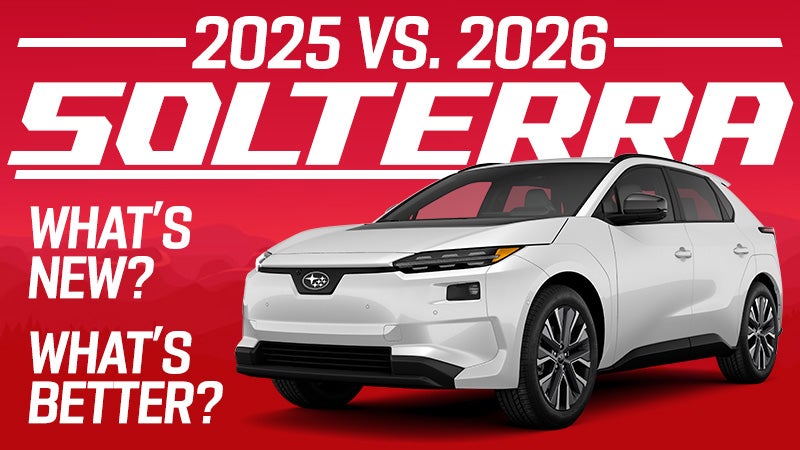
2025 vs. 2026 Subaru Solterra: What’s New, What’s Better, and Which to Buy
The Subaru Solterra introduced Subaru’s all-electric future, and it’s only getting better. The 2025 model made a strong debut, but the 2026 Solterra raises the bar with meaningful updates in range, performance, charging, and technology. If you’re comparing the 2025 and 2026 Subaru Solterra, here’s exactly what’s changed and what it means for your next EV purchase. What Stays the Same Subaru didn’t start from scratch, and that’s a good thing. The 2025 and 2026 Solterra both share the same trusted Subaru DNA: All-Wheel Drive Capability: Every Solterra comes standard with all-wheel drive for confidence in a variety of driving conditions. Electric Performance: Dual electric motors power all four wheels for smooth, responsive performance. High Ground Clearance: Both models deliver up to 8.3 inches of ground clearance, providing impressive capability for an electric crossover. Advanced Safety: Both generations offer an extensive collection of driver-assistance and safety technologies. Bottom line: the 2026 Solterra builds on the strengths that made the 2025 model an important first step into Subaru’s expanding EV lineup. What’s New for the 2026 Subaru Solterra? The 2026 Solterra is more than a simple refresh. Subaru introduced several major improvements designed to make its electric SUV more practical, powerful, and convenient. 1. Extended Driving Range One of the biggest changes for 2026 is driving range. The redesigned Solterra can deliver up to 288 miles of EPA-estimated range, a significant increase compared to the 2025 model’s maximum EPA-estimated range of 227 miles. Improved battery technology and charging performance also make the new Solterra better suited for longer trips, giving drivers more flexibility between charging stops. 2. More Power on Tap The 2026 Solterra receives a major performance boost. Standard models produce 233 horsepower, while the performance-focused Solterra XT increases output to 338 horsepower. That additional power gives the 2026 model quicker acceleration and a more responsive driving experience while maintaining the all-weather capability Subaru drivers expect. 3. Updated Design & Interior Technology The changes continue inside and out. The 2026 Solterra features refreshed exterior styling with a redesigned front end, updated lighting, and revised wheel designs. Inside, a new 14-inch touchscreen provides a significant technology upgrade. The redesigned cabin also introduces updated materials and connectivity features for a more modern EV experience. 4. Better Charging Access The 2026 Solterra adopts the North American Charging Standard (NACS) port, expanding charging options for drivers on the road. This gives compatible 2026 Solterra models access to thousands of Tesla Supercharger locations without requiring a separate charging adapter. 2025 vs. 2026 Subaru Solterra Comparison Feature 2025 Subaru Solterra 2026 Subaru Solterra Battery 72.8 kWh 74.7 kWh Maximum Range Up to 227 miles Up to 288 miles Horsepower 215 hp 233 hp or up to 338 hp with XT Fast Charging DC fast charging capability Improved DC fast charging with battery preconditioning Touchscreen Available 12.3-inch touchscreen 14-inch touchscreen Charging Port CCS NACS Performance Option 215-hp dual-motor AWD Available 338-hp Solterra XT Ground Clearance Up to 8.3 inches Up to 8.3 inches Which Subaru Solterra Is Right for You? The 2025 Solterra provides standard all-wheel-drive capability, practical electric range, and the core features drivers need for everyday EV ownership. It can be worth considering for shoppers primarily focused on local commuting and available 2025 inventory. The 2026 Solterra adds substantially more driving range, increased horsepower, faster charging capabilities, NACS charging access, and a larger touchscreen. These updates make it especially appealing for drivers who prioritize longer trips, charging convenience, and the newest Subaru EV technology. Test Drive the Subaru Solterra in Old Bridge, NJ Whether you’re comparing available 2025 models or exploring the upgraded 2026 Subaru Solterra, All American Subaru in Old Bridge, NJ, can help you compare your options. Our team can walk you through available trims, electric range, charging capabilities, and features to help you find a Solterra that fits your driving needs. Visit All American Subaru in Old Bridge or contact our team to schedule your Subaru Solterra test drive. Contact All American Subaru
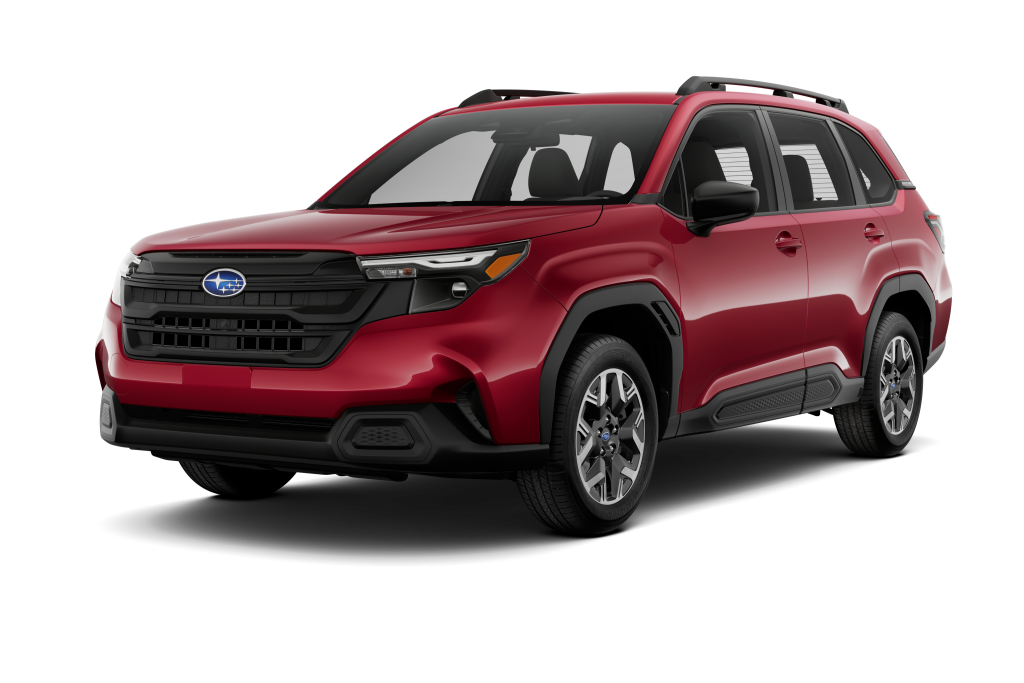
Subaru Forester vs Toyota RAV4: The Clear Choice for AWD Confidence
If you’re shopping for a compact SUV, odds are you’ve landed on two of the biggest names in the segment: the Subaru Forester and the Toyota RAV4. Both sell well, both are respected, and both have loyal owners. But when you zoom out and look at real-world driving in real-world weather, there’s one SUV that constantly gives drivers more traction, more comfort, more safety, and more value as standard. Spoiler alert: it’s the Subaru Forester. Let’s break down the comparison and why the Forester continues to win over drivers at All American Subaru in Old Bridge. What Makes the Subaru Forester the Better SUV 1. Every Trim Gets All-Wheel Drive, No Upgrades Needed Unlike the RAV4, where AWD is an added upgrade on most trims, the Forester includes Subaru’s Symmetrical All-Wheel Drive as standard on every model. No configuration digging, no extra packages, no paying for something that should already be included. This means superior traction in rain, snow, mud, gravel, and anything seasonal roads decide to throw your way. Subaru built its entire lineup around AWD capability, and it shows in how the Forester performs year after year. 2. More Interior Comfort and Headroom for Actual Humans The Forester is designed taller, wider, and more thoughtfully inside than the Toyota RAV4. The cabin offers open, airy headroom, great visibility, and a back seat that doesn’t force your passengers to fight for space. Subaru engineered the Forester with daily comfort in mind. It’s not just about getting from A to B; it’s about enjoying the ride while you do it. 3. The Legendary Boxer Engine = Balanced, Smooth, Reliable The Forester uses Subaru’s 2.5-liter 4-cylinder Boxer engine, built low and balanced for improved stability, less cabin vibration, and a smoother daily drive. The Toyota RAV4 may have an edge on paper with a slightly stronger base horsepower. Still, consistent everyday stability beats quick power spikes most drivers won’t feel on the school run or grocery loop. 4. Safety is Standard, Not Optional Subaru doesn’t treat safety as a trim level perk. The Forester includes Subaru’s EyeSight Driver Assist Technology suite as standard, which includes advanced adaptive cruise control, lane centering, pre-collision braking, and traffic management tools. Toyota offers safety packages, but Subaru bakes it into every model’s DNA. 5. Better Visibility and Driver Confidence Across All Conditions One of the most consistent things owners say when switching from RAV4 to Forester is visibility. Subaru positioned windows, seat height, and side mirrors in a way that gives drivers more road awareness, fewer blind spot surprises, and more confidence behind the wheel. Especially important if you share the car with new drivers or growing families. Feature / Category Subaru Forester Toyota RAV4 Drivetrain AWD standard on every trim AWD is optional on most trims; FWD standard Engine Type 2.5-L 4-cyl Boxer engine Traditional 4-cylinder engine Stability Balanced design for improved control Traditional engine layout Safety Suite EyeSight standard on all trims Toyota Safety Sense Visibility Excellent sightlines and taller driver position Good visibility with a lower seating angle Weather Performance Standard AWD for snow, rain, and changing road conditions AWD capability varies by configuration Which SUV Wallet-Wise Drivers Choose The Subaru Forester often costs slightly more at base price than a front-wheel drive Toyota RAV4, but you’re getting so much more as standard. AWD, driver-assist safety tech, cargo versatility, higher driver seat visibility, passenger comfort, and seasonal readiness are all included from the start. When another brand forces you to upgrade to match standard features, the value gap becomes obvious fast. Subaru simply gives you more SUV for your money. Why Forester Shines at All American Subaru in Old Bridge Drivers in New Jersey experience all types of seasonal roads. From rainy highways near Howell to snowy commutes rolling toward Staten Island, the Forester handles it without needing an AWD upgrade first. We see this every day at All American Subaru. Buyers come in comparing the Subaru Forester to competitors, test drive both, and leave realizing one thing: An SUV that promises AWD capability is very different than an SUV that includes it always. If you want a compact SUV that comes prepared, protects your passengers, rides smoothly, handles seasonal roads with confidence, and packs the value most buyers don’t notice until after they sign paperwork, the Subaru Forester is the superior choice to the Toyota RAV4. Final Verdict: The Subaru Forester Wins Where it Actually Matters AWD confidence beats optional capability. Comfort beats trend appeal. And standard safety beats à la carte packages every time. Contact All American Subaru
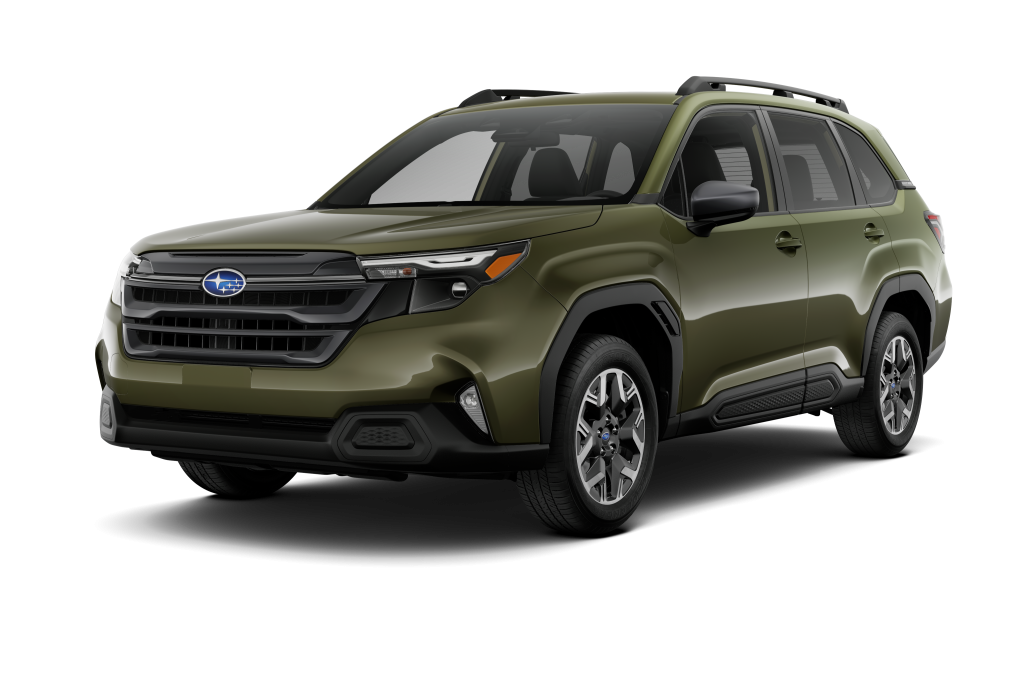
Subaru Forester vs Honda CR-V: Why the Forester Is the Better Choice for New Jersey Drivers
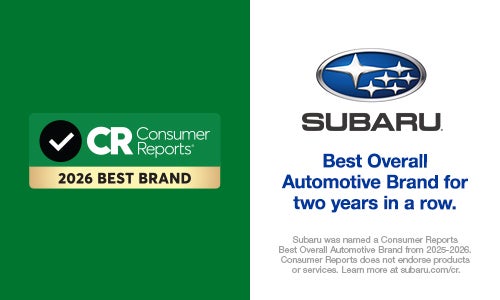
At All American Subaru in Old Bridge, many shoppers compare the Subaru Forester and the Honda CR-V when they begin searching for a compact SUV. Both nameplates are popular, but drivers in New Jersey who need year-round capability, strong safety, and long-term reliability consistently find the Forester to be the better value. The latest ratings from Consumer Reports reinforce this. Subaru is recognized as one of the best overall brands, and the Forester is ranked as one of the best overall vehicles in its class thanks to its reliability, safety performance, and practical design. Feature Subaru Forester Honda CR-V Standard All-Wheel Drive Yes, standard Symmetrical AWD No, optional upgrade Ground Clearance Higher, built for snow and light trails Lower, more road-focused Visibility Outstanding with large windows and upright seating Good overall visibility Predicted Reliability Strong Consumer Reports score Average to slightly above average Off-Road Capability Available Wilderness trim with upgrades No off-road specialty trim Safety System EyeSight standard on all trims Honda Sensing is included, but varies Brand Reliability Subaru ranked among best brands Honda ranked below Subaru recently Value for New Jersey Weather Excellent year-round More limited due to the sloped design Why the Forester Leads in the Real World Standard Symmetrical All-Wheel Drive Every Forester comes equipped with Subaru Symmetrical All-Wheel Drive, giving drivers instant confidence in rain, snow, and icy conditions. With the CR-V, AWD requires an upgrade and still lacks the balanced layout that makes Subaru's system unique. Designed for New Jersey Roads and Winters From the higher ground clearance to the durable interior materials, the Forester is built for real-world use. Whether you are commuting on Route 9, taking weekend trips to the Shore, or navigating winter weather, the Forester stays composed and capable. Visibility and Safety The Forester is known for its excellent outward visibility, which makes driving less stressful in busy areas around Old Bridge, East Brunswick, and Freehold. Subaru's EyeSight® Driver Assist Technology is standard on every Forester trim and continues to earn top ratings from IIHS. Consumer Reports Praise Consumer Reports highlights the Forester as one of the best overall vehicles in its segment, thanks to: Impressive reliability history Comfortable, practical interior Strong safety performance Easy handling and great visibility Subaru, as a brand, is also consistently ranked as one of the best and most trusted manufacturers for long-term satisfaction. Forester for the Win The Honda CR-V is a strong competitor, but the Subaru Forester offers more capability, more safety confidence, and stronger long-term value for New Jersey drivers. With standard AWD, excellent visibility, and high praise from Consumer Reports, the Forester stands out as the smarter choice. Contact All American Subaru
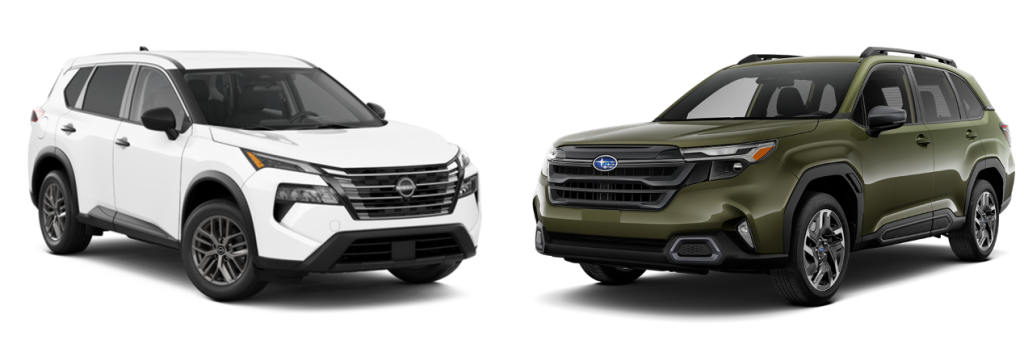
Subaru Forester vs Nissan Rogue: Which Compact SUV Is Better?
If you're comparing compact SUVs near Old Bridge, NJ, the Subaru Forester and Nissan Rogue are likely on your list. Both offer modern features and everyday practicality, but one clearly stands out where it matters most: reliability, safety, and expert rankings. According to Consumer Reports, the Subaru Forester is consistently ranked as a Top Pick and one of the best compact SUVs available, making it the stronger long-term choice for most drivers. Subaru Forester vs Nissan Rogue: Quick Comparison Category Nissan Rogue Subaru Forester Consumer Reports Ranking Not a Top Pick Top Pick, #1 in class Reliability Score Significantly lower Much higher (+37 points) Brand Reliability Ranked lower Ranked #1 overall Standard AWD Optional Yes, all trims Safety Recognition Not awarded IIHS Top Safety Pick+ Long-Term Value Less consistent Strong resale and durability Consumer Reports Rankings: Forester vs Rogue This is where the gap becomes obvious. Consumer Reports evaluates vehicles based on road testing, safety, predicted reliability, and owner satisfaction. The Subaru Forester checks every box. Named a Consumer Reports Top Pick Ranked at or near the top of the compact SUV class Delivers a reliability score that is 37 points higher than the Nissan Rogue The Nissan Rogue does not earn Top Pick status and falls behind in reliability scoring, which is one of the most important factors for long-term ownership. Reliability: Where the Forester Pulls Ahead Reliability is one of the biggest deciding factors when choosing an SUV, and this is where the Forester separates itself. Consumer Reports data shows: The Subaru Forester scores well above average in predicted reliability Subaru ranks as the #1 brand overall for reliability The Nissan Rogue scores noticeably lower, with more variability year to year What that means for you: Fewer unexpected repairs Lower long-term ownership costs More confidence every time you drive If you plan to keep your vehicle for years, the Forester is the safer bet. Safety: Confidence Comes Standard The Subaru Forester is built with safety as a priority. Earns IIHS Top Safety Pick+ Includes EyeSight® Driver Assist Technology standard Features include: Adaptive Cruise Control Automatic Emergency Braking Lane Centering While the Nissan Rogue includes safety features, it does not achieve the same level of recognition or consistency in crash testing. Standard All-Wheel Drive Advantage One of the biggest real-world advantages of the Forester is standard all-wheel drive. Every Subaru Forester comes equipped with Symmetrical All-Wheel Drive, giving you: Better traction in rain and snow Improved control on slippery roads Confidence during New Jersey winters The Nissan Rogue offers AWD, but only as an upgrade. That means you may pay more for a feature that comes standard on every Forester. Why the Subaru Forester Is the Better Choice When you focus on what actually matters, the Subaru Forester is the clear winner. It offers: Top rankings from Consumer Reports A significantly higher reliability score Best-in-class safety recognition Standard all-wheel drive on every trim Proven long-term durability The Nissan Rogue may be a popular option, but the Forester delivers more confidence, more consistency, and better value over time. Test Drive the Subaru Forester in Old Bridge, NJ If you want a compact SUV backed by strong rankings, proven reliability, and year-round capability, the Subaru Forester is the right choice. Visit All American Subaru in Old Bridge, NJ, to explore available models and get behind the wheel today. Contact All American Subaru
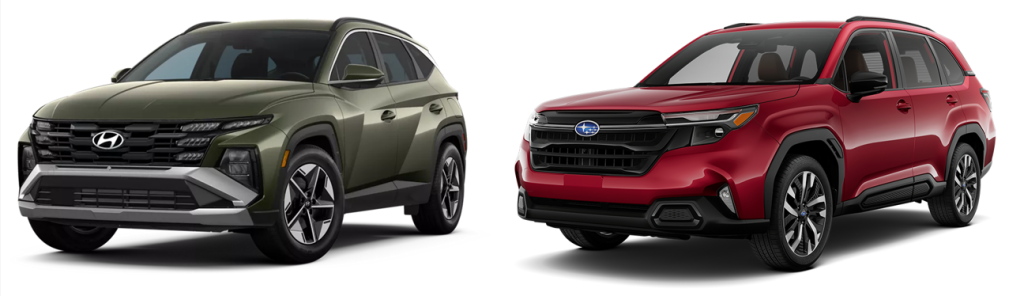
Subaru Forester vs Hyundai Tucson: Features, AWD, and Value Compared
If you're shopping for a compact SUV near Old Bridge, NJ, the Subaru Forester and Hyundai Tucson are two popular options. Both offer modern styling and technology, but when you focus on what actually matters long term, the Subaru Forester clearly comes out ahead. From Consumer Reports rankings to standard all-wheel drive and long-term reliability, the Forester delivers stronger value for drivers who want confidence and durability. Subaru Forester vs Hyundai Tucson: Key Differences Category Hyundai Tucson Subaru Forester Consumer Reports Ranking Not a Top Pick Top Pick, top of class Reliability Score Lower, average Much higher (+44 points) Brand Reliability Ranking Around #10 #1 overall Standard AWD Optional Yes, all trims Safety Recognition Not awarded IIHS Top Safety Pick+ Long-Term Value Less consistent Proven durability Consumer Reports: Forester vs Tucson This is where the separation becomes very clear. Consumer Reports ranks vehicles based on road testing, safety, predicted reliability, and owner satisfaction. The Subaru Forester consistently scores at the top of its class. The Forester is frequently named a Consumer Reports Top Pick It ranks among the best compact SUVs overall It holds a reliability score that is about 44 points higher than the Hyundai Tucson By comparison, the Tucson is not a Top Pick and only earns average reliability scores, which limits its overall ranking. That difference is significant and directly impacts long-term ownership. Reliability: The Biggest Advantage for the Forester Reliability is one of the most important factors when choosing an SUV, and this is where the Forester dominates. Subaru is ranked the #1 brand for reliability by Consumer Reports Hyundai ranks lower, around 10th overall The Tucson delivers only average reliability, while the Forester is rated above average What that means for you: Fewer repairs over time Lower maintenance costs More consistent performance year after year If you plan to keep your SUV beyond a few years, the Forester is the safer and smarter investment. Shop Subaru Forester Inventory Standard All-Wheel Drive: A Real Everyday Advantage One of the biggest real-world differences between these two SUVs is capability. The Subaru Forester includes Symmetrical All-Wheel Drive standard on every trim, giving you: Better traction in rain and snow Improved handling on slippery roads Confidence during New Jersey winters The Hyundai Tucson offers AWD, but only as an upgrade. That means you may pay more to get a feature that comes standard on every Forester. Features That Actually Add Value The Hyundai Tucson often focuses on bold styling and tech-heavy interiors, but the Forester prioritizes practical features that improve everyday driving. The Forester emphasizes: Excellent visibility with a wide, upright design User-friendly controls and intuitive layout Durable materials built for long-term use Standard driver-assist features across trims Subaru's approach is simple. Build a vehicle that works reliably every day, not just one that looks good on paper. Safety: Proven Protection You Can Trust The Subaru Forester continues to lead in safety. Earns IIHS Top Safety Pick+ Comes standard with EyeSight® Driver Assist Technology Includes: Adaptive Cruise Control Automatic Emergency Braking Lane Centering While the Tucson includes safety features, it does not match the Forester's level of recognition or consistency in crash testing. For families in Old Bridge, NJ, that added level of trust matters. Why the Subaru Forester Is the Better Choice When you focus on real-world ownership, the Subaru Forester stands out as the better compact SUV. It delivers: Top rankings from Consumer Reports A significantly higher reliability score Standard all-wheel drive on every model Proven long-term durability Strong safety performance The Hyundai Tucson offers style and features, but the Forester delivers confidence, consistency, and long-term value. Test Drive the Subaru Forester in Old Bridge, NJ If you're ready for a compact SUV that ranks at the top for reliability, safety, and everyday capability, the Subaru Forester is the clear choice. Visit All American Subaru in Old Bridge, NJ, to explore available models and get behind the wheel today. Contact All American Subaru
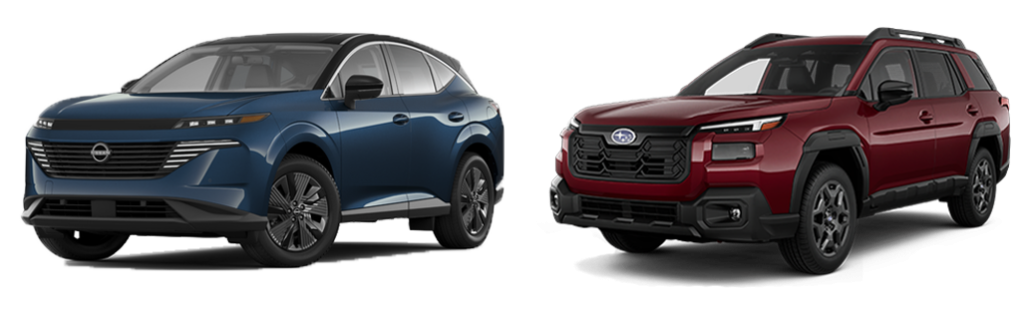
Subaru Outback vs Nissan Murano: Interior Comfort and Performance Compared
The Subaru Outback and Nissan Murano are both two-row midsize SUVs designed to provide plenty of comfort for everyday driving, but they take very different approaches. The Murano leans heavily into upscale styling and premium interior features, while the 2026 Subaru Outback combines a comfortable, spacious cabin with standard all-wheel drive, greater cargo capacity, higher ground clearance, and significantly more available capability. For drivers near Old Bridge, NJ, who want an SUV that's comfortable during the daily commute but still ready for winter weather, road trips, and weekend adventures, the Subaru Outback offers a more versatile package. 2026 Subaru Outback vs Nissan Murano Comparison Category 2026 Nissan Murano 2026 Subaru Outback Seating Capacity 5 5 Passenger Volume Up to 112.0 cu. ft. Up to 112.3 cu. ft. Front Legroom 44.3 in. 43.0 in. Rear Legroom 36.3 in. 39.5 in. Maximum Cargo Volume 63.5 cu. ft. Up to 80.5 cu. ft. All-Wheel Drive Available Intelligent AWD Standard Symmetrical AWD Ground Clearance 8.3 in. Up to 9.5 in. Traction Technology Drive Mode Selector Standard X-MODE® Maximum Towing Capacity Up to 1,500 lbs. Up to 3,500 lbs. Available Horsepower 241 hp Up to 260 hp The 2026 Outback offers up to 112.3 cubic feet of passenger volume and 80.5 cubic feet of maximum cargo volume, while Nissan lists up to 112.0 cubic feet of passenger volume and 63.5 cubic feet of maximum cargo space for the Murano. More Rear-Seat Space for Outback Passengers Interior comfort is about more than premium materials. Having enough room to actually stretch out can make a major difference, especially on longer trips. The 2026 Subaru Outback provides 39.5 inches of rear legroom, compared with 36.3 inches in the Nissan Murano. That extra space can be especially useful for families with older children, adults riding in the second row, or anyone who regularly takes longer road trips. The Outback also provides up to 112.3 cubic feet of passenger volume, giving drivers and passengers a spacious cabin without sacrificing the utility expected from an SUV. Significantly More Maximum Cargo Space The difference becomes even larger when you need room for cargo. With the rear seats folded, the 2026 Subaru Outback provides up to 80.5 cubic feet of maximum cargo volume. The Nissan Murano offers 63.5 cubic feet. That's nearly 17 additional cubic feet of maximum cargo room in the Outback. Whether you're loading luggage, sports equipment, camping gear, home improvement supplies, or everything needed for a family road trip, the Outback gives you substantially more flexibility. Shop Subaru Outback Inventory A Comfortable Cabin With Modern Technology The redesigned 2026 Outback brings major updates inside the cabin, including new premium materials and a new digital instrument cluster. Subaru has also redesigned the interior to provide more passenger and cargo space. The Outback offers the technology modern drivers expect while maintaining a practical layout designed around everyday usability. The Murano certainly deserves credit for its upscale approach. Nissan offers available features such as quilted leather-appointed seating, ventilated and massaging front seats, and a panoramic moonroof. However, drivers who prioritize usable space, rear-seat comfort, cargo flexibility, and versatility may find the Outback to be the better overall fit. Standard Symmetrical All-Wheel Drive Gives the Outback an Advantage Performance isn't only about horsepower. For an SUV, performance also means having traction and control when road conditions become challenging. Every 2026 Subaru Outback comes standard with Symmetrical All-Wheel Drive. The Nissan Murano offers Intelligent All-Wheel Drive, but AWD is not standard across the entire lineup. For New Jersey drivers dealing with rain, snow, ice, and changing road conditions throughout the year, having AWD included from the start gives the Outback an important advantage. Standard X-MODE® Adds Even More Confidence The Outback doesn't stop at standard AWD. Every 2026 Outback also features X-MODE®, which optimizes the Symmetrical All-Wheel Drive system to provide additional traction on slippery surfaces. Hill Descent Control can also help provide additional stability when traveling down difficult grades. The Outback Wilderness takes that capability even further with Dual-Function X-MODE, providing settings designed for snow, dirt, deep snow, and mud. That makes the Outback especially appealing for drivers who want an SUV that can confidently handle more than paved roads. Up to 9.5 Inches of Ground Clearance Another major difference between these SUVs is ground clearance. The Nissan Murano provides 8.3 inches of ground clearance, which is respectable for a midsize crossover. Most 2026 Outback models provide 8.7 inches, while the adventure-ready Outback Wilderness increases ground clearance to 9.5 inches. That additional clearance can be valuable when navigating deep snow, uneven terrain, dirt roads, campsites, and other challenging surfaces. Available Turbocharged Outback Performance Drivers looking for additional power can choose an Outback equipped with Subaru's direct-injection turbocharged BOXER® engine, available on Wilderness, Limited XT, and Touring XT models. These versions deliver up to 260 horsepower. The 2026 Murano uses a 2.0-liter VC-Turbo engine producing 241 horsepower and 260 lb-ft of torque. Both SUVs provide responsive performance, but the Outback gives shoppers the ability to choose between efficient everyday performance and a more powerful turbocharged configuration. The Outback Can Tow More Than Twice as Much Drivers who plan to tow should pay particular attention to this comparison. Properly equipped 2026 Subaru Outback models can tow up to 3,500 pounds. The Nissan Murano has a maximum towing capacity of 1,500 pounds. That gives the Outback more than double the Murano's maximum towing capability, making it the stronger option for drivers who want to bring along additional recreational equipment. Subaru Earns the Top Spot With Consumer Reports The Outback also benefits from Subaru's strong reputation as a brand. In Consumer Reports' 2026 brand rankings, Subaru ranked #1 overall among automotive brands with an overall score of 82. Nissan ranked 13th with a score of 70. Consumer Reports calculates these scores using road-test performance, reliability, owner satisfaction, and safety. That is an important distinction for shoppers comparing more than features on a spec sheet. Subaru's top ranking reflects strong performance across several areas that can matter throughout vehicle ownership. Why Choose the Subaru Outback Over the Nissan Murano? The Nissan Murano offers an attractive interior and plenty of premium available amenities. However, when you look at the complete package, the 2026 Subaru Outback delivers more of the versatility many SUV shoppers are looking for. The Outback stands out with: Standard Symmetrical All-Wheel Drive Standard X-MODE® Up to 9.5 inches of ground clearance More rear-seat legroom Nearly 17 more cubic feet of maximum cargo space Up to 260 horsepower Up to 3,500 pounds of towing capacity Available Wilderness capability Subaru's #1 overall ranking from Consumer Reports For drivers who want comfort without sacrificing capability, the Outback offers a compelling advantage. Compare the Subaru Outback at All American Subaru in Old Bridge, NJ If you're comparing the Subaru Outback vs Nissan Murano, visit All American Subaru in Old Bridge, NJ to experience the 2026 Outback for yourself. Explore its redesigned interior, spacious rear seating, flexible cargo area, standard Symmetrical All-Wheel Drive, and available turbocharged performance to see why the Subaru Outback is an excellent choice for New Jersey drivers looking for comfort and capability in one SUV. Contact All American Subaru
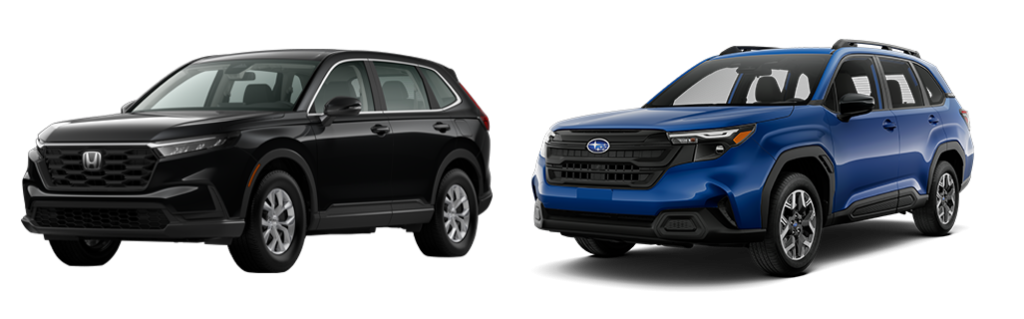
Subaru Forester vs Honda CR-V: Reliability and Capability Comparison
The Subaru Forester and Honda CR-V are two of the most recognizable compact SUVs on the road, but which one is the better choice for drivers who prioritize reliability, capability, safety, and long-term value? Both have established reputations in the compact SUV segment, but the Subaru Forester stands apart with standard Symmetrical All-Wheel Drive, greater ground clearance, impressive Consumer Reports scores, and capability designed for everything from daily commuting to weekend adventures. For drivers near Old Bridge, NJ, especially those who want an SUV that's prepared for changing weather and changing plans, the Subaru Forester offers some important advantages over the Honda CR-V. Subaru Forester vs Honda CR-V Comparison Category 2026 Honda CR-V 2026 Subaru Forester Consumer Reports Overall Score Lower Overall Score 86/100 Consumer Reports Road Test Score Competitive 94/100 Standard All-Wheel Drive No Yes Ground Clearance Up to 8.2 Inches 8.7 Inches Available Off-Road Model TrailSport Hybrid Forester Wilderness Maximum Ground Clearance Up to 8.2 Inches 9.3 Inches Traction Technology Available AWD Available X-MODE® Winter Capability Good Excellent EyeSight® Driver Assist Technology Not Available Standard Consumer Reports Gives the Forester an 86 Overall Score Independent testing is one of the best ways to look beyond brand reputation, and the 2026 Subaru Forester performs exceptionally well in Consumer Reports testing. Consumer Reports gives the 2026 Subaru Forester an overall score of 86, placing it #3 out of 28 compact SUVs as of February 2026. Even more impressive is its 94 out of 100 Road Test Score. Consumer Reports specifically praises the Forester for its comfortable ride, excellent fuel economy, short stopping distances, roomy rear seat, and airy outward visibility. The Forester also earns a 60 out of 100 predicted reliability score and 77 out of 100 predicted owner satisfaction score. That combination is important because the Forester isn't excelling in just one area. It delivers a strong balance of reliability, comfort, safety, practicality, and everyday driving performance. Shop Subaru Forester Inventory Standard Symmetrical All-Wheel Drive Gives Forester an Advantage One of the clearest differences between the Forester and CR-V is all-wheel drive. Every 2026 Subaru Forester comes standard with Symmetrical All-Wheel Drive. The Honda CR-V offers all-wheel drive, but it isn't standard across the entire lineup. Subaru's Symmetrical All-Wheel Drive continuously monitors factors like acceleration, braking, and cornering to help distribute power where traction is needed. For New Jersey drivers, that can provide added confidence when dealing with: Snow-covered roads Heavy rain Slippery pavement Gravel roads Changing road conditions You don't have to move into a higher trim or add AWD to your Forester. That capability is built into every model. Forester Offers More Ground Clearance Ground clearance is another area where the Subaru Forester pulls ahead. Most 2026 Forester models provide 8.7 inches of ground clearance, compared with up to approximately 8.2 inches in the Honda CR-V. That additional clearance can make a noticeable difference when navigating deep snow, uneven roads, trails, and other challenging surfaces. Drivers who want even greater capability can choose the 2026 Subaru Forester Wilderness, which increases ground clearance to 9.3 inches. Combined with standard AWD, that makes the Forester particularly appealing to drivers who want their compact SUV to do more than commute. Subaru Forester Wilderness Takes Capability Even Further The Forester Wilderness demonstrates just how different Subaru's approach to the compact SUV can be. Rather than simply adding rugged styling, the Wilderness is engineered to provide additional capability. The 2026 Forester Wilderness offers: 9.3 inches of ground clearance Standard Symmetrical All-Wheel Drive Enhanced X-MODE® Hill Descent Control Capability designed for rough and slippery surfaces The Honda CR-V TrailSport Hybrid gives CR-V shoppers a more adventure-oriented option, but the Forester Wilderness takes a more purpose-built approach to off-pavement capability. If camping, hiking, winter travel, or exploring unpaved roads is part of your lifestyle, the Forester gives you more confidence to venture beyond pavement. Excellent Visibility Makes the Forester Easier to Drive One of the Forester's less obvious advantages becomes apparent as soon as you sit behind the wheel. Visibility has long been one of the Forester's strongest qualities. Its upright design and large windows provide an open view of the road and your surroundings. Consumer Reports specifically highlights the Forester's airy outward views as one of its strengths. Better visibility can make everyday situations easier, including: Changing lanes Navigating busy parking lots Backing out of parking spaces Driving through heavy traffic Keeping an eye on pedestrians and cyclists For families and commuters, this is the kind of feature that becomes more valuable every day you own the vehicle. Safety Is at the Center of the Forester Capability isn't only about tackling rough roads. It's also about feeling confident every time you get behind the wheel. The 2026 Forester comes standard with EyeSight® Driver Assist Technology, which provides an additional layer of driver assistance and awareness. Depending on configuration, available safety and driver-assistance technologies include features designed to assist with braking, lane positioning, cruise control, and awareness of surrounding traffic. The Forester also earned a 5-Star Overall Vehicle Score from the National Highway Traffic Safety Administration, reinforcing its position as an excellent choice for safety-conscious drivers and families. Reliability Meets Everyday Practicality The Forester's appeal goes beyond its AWD system. Consumer Reports gave the 2026 Forester a 5 out of 5 for ride quality, braking, front access, and rear access, along with a 5 out of 5 rating for rear-seat comfort. That makes the Forester particularly well-suited for everyday family life. Its combination of a roomy rear seat, excellent visibility, easy entry and exit, and comfortable ride helps make it an SUV that's just as comfortable handling the school run as it is heading out of town for the weekend. Why Choose the Subaru Forester Over the Honda CR-V? The Honda CR-V remains a popular compact SUV, but the Subaru Forester delivers several important advantages for drivers who prioritize capability and confidence. The Forester offers: Standard Symmetrical All-Wheel Drive 8.7 inches of ground clearance on most models Up to 9.3 inches of ground clearance with Forester Wilderness Available X-MODE® Excellent outward visibility 86/100 Consumer Reports Overall Score 94/100 Consumer Reports Road Test Score Strong predicted reliability and owner satisfaction Excellent safety performance Adventure-ready capability The biggest difference is that many of the features that make the Forester capable aren't optional extras. All-wheel drive and substantial ground clearance are part of the Forester from the start. Test Drive a Subaru Forester in Old Bridge, NJ If you're comparing the Subaru Forester vs. Honda CR-V, numbers only tell part of the story. Getting behind the wheel lets you experience the Forester's excellent visibility, comfortable ride, spacious interior, and standard all-wheel-drive confidence firsthand. Visit All American Subaru in Old Bridge, NJ, to explore the 2026 Subaru Forester lineup, including the adventure-ready Forester Wilderness, and find the model that's right for you. Contact All American Subaru
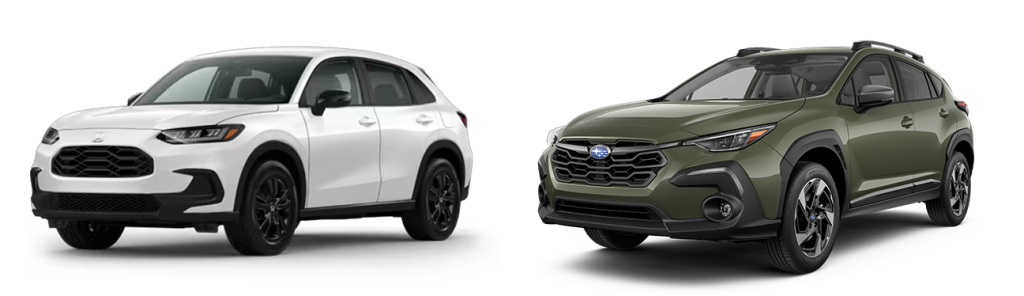
Subaru Crosstrek vs Honda HR-V: Which Small SUV Is Right for You?
If you're shopping for a small SUV near Old Bridge, NJ, the Subaru Crosstrek and Honda HR-V are two of the most common options. Both are affordable, practical, and easy to drive, but when you focus on real-world performance, reliability, and capability, the Subaru Crosstrek stands out as the better choice. Backed by strong Consumer Reports rankings, standard all-wheel drive, and better overall performance, the Crosstrek delivers more value where it matters most. Subaru Crosstrek vs Honda HR-V: Key Differences Category Honda HR-V Subaru Crosstrek Consumer Reports Ranking Lower overall score Highest-scoring subcompact SUV Reliability More inconsistent Above average Standard AWD Optional Yes, all trims Capability Primarily road-focused Off-road ready, higher ground clearance Driving Experience Noisy, stiff ride Smoother, more refined Long-Term Value Less consistent Proven durability Consumer Reports: Crosstrek vs HR-V This is where the Crosstrek separates itself. According to Consumer Reports, the Subaru Crosstrek is currently one of the highest-scoring subcompact SUVs, thanks to its balance of ride quality, capability, and reliability. By comparison, the Honda HR-V falls behind in overall driving experience. Consumer Reports testing notes that the HR-V has: Slow acceleration A noisy cabin A stiff ride These issues make it "a far cry from the Subaru Crosstrek" in real-world driving. That gap shows up clearly in overall rankings and satisfaction. Shop Subaru Crosstrek Inventory Reliability: Why the Crosstrek Is the Safer Bet Reliability is one of the biggest factors when choosing a small SUV. The Subaru Crosstrek is rated above average in reliability by Consumer Reports It also earns higher overall scores in predicted reliability and owner satisfaction than the HR-V What that means for you: Fewer unexpected repairs Lower ownership costs More confidence long term Both vehicles offer similar warranties, but the Crosstrek has the stronger track record when it comes to real ownership experience. Standard All-Wheel Drive: A Major Advantage One of the biggest differences between these two SUVs is capability. The Subaru Crosstrek comes with Symmetrical All-Wheel Drive standard on every trim, while the Honda HR-V starts with front-wheel drive and only offers AWD as an upgrade. That matters for everyday driving in New Jersey: Better traction in snow and rain Improved handling on slippery roads More confidence year-round This is not just a feature. It is one of the main reasons drivers choose Subaru. Capability: Built for More Than Just the Road The Crosstrek is designed to handle more than just daily commuting. Higher ground clearance for rough roads Available features like X-Mode for added traction Built for light off-road use and outdoor lifestyles The HR-V is more focused on city driving and paved roads. It does not offer the same level of versatility or capability. In fact, comparisons show the Crosstrek delivers superior off-road capability and overall performance compared to the HR-V. Features and Everyday Usability Both SUVs offer modern technology, but the Crosstrek focuses on practical, usable features. Standard smartphone integration Easy-to-use infotainment system More trim options and flexibility The Crosstrek also offers more capability across trims, including higher towing capacity and more rugged configurations like the Wilderness model. Why the Subaru Crosstrek Is the Better Choice When you compare what actually matters, the Subaru Crosstrek clearly comes out ahead. It delivers: Higher Consumer Reports scores Better real-world driving experience Standard all-wheel drive on every model Stronger reliability and owner satisfaction More capability for all types of driving The Honda HR-V is a solid entry-level SUV, but the Crosstrek offers more confidence, more versatility, and better long-term value. Test Drive the Subaru Crosstrek in Old Bridge, NJ If you're ready for a small SUV that delivers more than just basic transportation, the Subaru Crosstrek is the clear choice. Visit All American Subaru in Old Bridge, NJ, to explore available Crosstrek models and get behind the wheel today. Contact All American Subaru
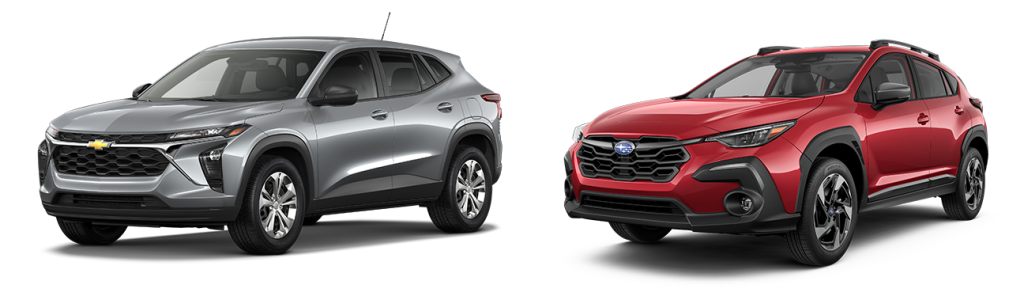
Subaru Crosstrek vs Chevrolet Trax: Features, Capability, and Value
If you're shopping for a small SUV near Old Bridge, NJ, the Subaru Crosstrek and Chevrolet Trax are likely both on your radar. While the Trax focuses on affordability and city driving, the Subaru Crosstrek delivers something far more important for long-term ownership: capability, reliability, safety, and standard all-wheel drive. When you compare the two side by side, the Crosstrek clearly stands out as the more complete SUV. Subaru Crosstrek vs Chevrolet Trax: Key Differences Category Chevrolet Trax Subaru Crosstrek Consumer Reports Ranking Lower overall ranking Highest-scoring subcompact SUV Standard AWD Not available Yes, all trims Reliability Average Above average Ground Clearance 7.3 inches 8.7 inches Towing Capability Not rated for towing Up to 3,500 lbs (Wilderness) Safety Ratings Lower crash ratings Top-tier safety scores Long-Term Value Lower long-term confidence Strong resale and durability Consumer Reports: Why the Crosstrek Ranks Higher Consumer Reports consistently ranks the Subaru Crosstrek among the best subcompact SUVs because of its balance of ride quality, reliability, capability, and owner satisfaction. According to Consumer Reports: The Crosstrek is currently the highest-scoring subcompact SUV It delivers an excellent ride, strong fuel economy, and standard AWD capability Meanwhile, the Chevrolet Trax is positioned more as a budget-focused crossover and does not reach the same level of overall rankings or owner confidence. Subaru also ranks near the top of Consumer Reports' brand reliability rankings, while Chevrolet ranks significantly lower. Shop Subaru Crosstrek Inventory Standard All-Wheel Drive: A Huge Advantage for Subaru This is one of the biggest differences between these two SUVs. Every Subaru Crosstrek comes standard with Symmetrical All-Wheel Drive, while the Chevrolet Trax is only available in front-wheel drive. In fact, AWD is not offered on the Trax at all. That gives the Crosstrek major advantages in: Snow and winter driving Rain and slippery roads Overall traction and stability Confidence during New Jersey weather For drivers in Old Bridge, NJ, that extra capability matters year-round. Capability: The Crosstrek Is Built for More The Chevrolet Trax is primarily designed for urban commuting. The Crosstrek is designed for everyday driving plus adventure. The Crosstrek offers: Higher ground clearance Available X-Mode for added traction Light off-road capability Real towing capability The difference becomes even more obvious when towing enters the conversation. The Subaru Crosstrek can tow up to 1,500 pounds, or up to 3,500 pounds in Wilderness trim The Chevrolet Trax is not rated for towing at all If you enjoy camping, biking, road trips, or outdoor activities, the Crosstrek gives you far more flexibility. Reliability and Long-Term Ownership Long-term value is another area where Subaru clearly wins. Consumer Reports predicts the Crosstrek will be more reliable than the average new vehicle, and Subaru ranks near the top of overall brand reliability. Additional data shows: 96% of Subaru Crosstrek models sold in the last 10 years are still on the road today Subaru ranks among the most dependable automotive brands overall The Chevrolet Trax has improved in recent years, but it still does not have the same proven reputation for long-term durability. What that means for you: Lower ownership stress Better resale value More confidence in keeping the vehicle long-term Safety and Driver Confidence Safety is another major strength for Subaru. The Crosstrek delivers: Higher NHTSA safety scores Advanced EyeSight Driver Assist Technology Available Automatic Emergency Steering Strong crash-test performance The Chevrolet Trax performs adequately in crash testing, but it does not achieve the same level of overall safety recognition as the Crosstrek. For families and commuters alike, that extra confidence matters. Interior Features and Everyday Comfort Both SUVs offer modern infotainment and smartphone connectivity, but the Crosstrek focuses more on long-term comfort and usability. Drivers consistently praise the Crosstrek for: Comfortable ride quality Excellent visibility User-friendly technology More refined driving feel Consumer Reports specifically highlights the Crosstrek's ride quality and balanced driving dynamics as key reasons it ranks at the top of the segment. Why the Subaru Crosstrek Is the Better Choice When you compare these SUVs in the categories that matter most, the Subaru Crosstrek clearly stands out. It offers: Standard all-wheel drive on every trim Better reliability and resale value Stronger safety performance Real capability for outdoor lifestyles Higher Consumer Reports rankings Better long-term ownership confidence The Chevrolet Trax may appeal to budget-focused shoppers, but the Crosstrek delivers far more value over time. Test Drive the Subaru Crosstrek in Old Bridge, NJ If you want a small SUV that offers more confidence, capability, and long-term value, the Subaru Crosstrek is the clear winner. Visit All American Subaru to explore available Crosstrek models and experience the difference for yourself. Contact All American Subaru
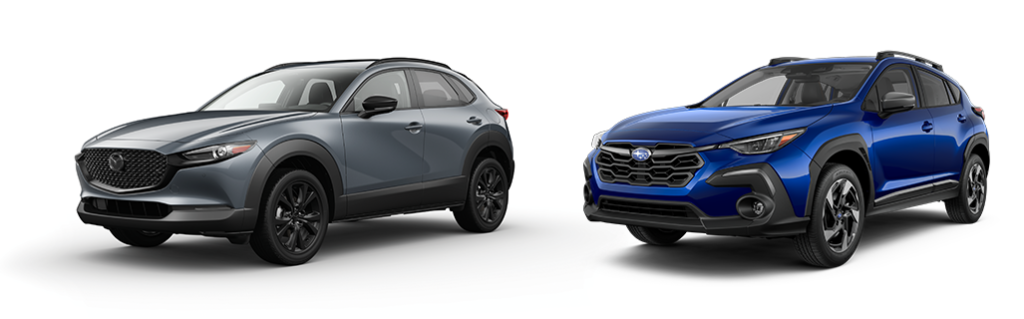
Subaru Crosstrek vs Mazda CX-30: Adventure Capability vs Premium Style
If you're shopping for a small SUV near Old Bridge, NJ, the Subaru Crosstrek and Mazda CX-30 are two of the most popular choices in the segment. The Mazda CX-30 focuses heavily on upscale styling and sporty driving dynamics, while the Subaru Crosstrek takes a different approach by prioritizing capability, practicality, reliability, and real-world versatility. For drivers who want more than just a stylish daily commuter, the Subaru Crosstrek stands out as the more complete SUV. Subaru Crosstrek vs Mazda CX-30: Key Differences Feature Mazda CX-30 Subaru Crosstrek Consumer Reports Ranking Lower overall ranking Highest-scoring subcompact SUV Reliability Average Above average Ground Clearance 8.0 inches Up to 9.3 inches Cargo Space Less cargo flexibility More overall cargo room Off-Road Capability Primarily road-focused Built for adventure Standard AWD Yes Yes Long-Term Value More premium-focused Strong resale and durability Shop Subaru Crosstrek Inventory Consumer Reports: Why the Crosstrek Ranks Higher Consumer Reports consistently ranks the Subaru Crosstrek among the best small SUVs because it balances comfort, reliability, fuel economy, and capability better than most competitors. According to Consumer Reports: The Crosstrek is currently the highest-scoring subcompact SUV It delivers excellent ride quality, standard AWD, and strong owner satisfaction The Mazda CX-30 receives praise for its premium interior styling, but Consumer Reports also notes drawbacks, including: Tight rear seating Limited cargo space Average predicted reliability That difference matters for drivers looking for long-term practicality and everyday usability. Adventure Capability: Where the Crosstrek Clearly Wins This is where the Crosstrek separates itself from the CX-30. The Subaru Crosstrek was designed with outdoor capability in mind. It offers: Up to 9.3 inches of ground clearance in Wilderness trim X-Mode for improved traction Hill Descent Control Better approach to snow, dirt roads, and rough terrain The Mazda CX-30 includes AWD and sporty handling, but it is much more road-focused. Even automotive reviews that favor Mazda's driving feel acknowledge that the Crosstrek is the more capable SUV for outdoor lifestyles. For drivers in New Jersey who deal with snow, rain, potholes, and weekend adventures, the Crosstrek simply offers more confidence. Cargo Space and Practicality While the Mazda CX-30 focuses on premium design, the Subaru Crosstrek focuses on functionality. The Crosstrek provides: More passenger room More usable cargo space Better rear-seat comfort Easier loading for gear and luggage According to Car and Driver testing: The Crosstrek offers up to 55 cubic feet of cargo space The CX-30 offers around 45 cubic feet That difference becomes noticeable for families, road trips, camping gear, or everyday hauling. Reliability and Long-Term Ownership Long-term ownership is another major advantage for Subaru. Consumer Reports predicts: The Subaru Crosstrek will be more reliable than the average new vehicle The Mazda CX-30 is expected to deliver only average reliability That translates into: Lower ownership stress Fewer unexpected repairs Better long-term value Subaru's reputation for durability continues to be one of the brand's biggest strengths. Premium Style vs Real-World Value The Mazda CX-30 absolutely looks premium. Many reviewers praise its upscale interior materials and sporty design. But there is a tradeoff. The CX-30 sacrifices: Rear-seat space Cargo room Practicality The Subaru Crosstrek may take a more rugged and functional approach, but it delivers better overall value for drivers who actually use their SUV for daily life, travel, outdoor activities, and changing weather conditions. Standard AWD Done Right Both SUVs offer all-wheel drive, but Subaru's Symmetrical All-Wheel Drive system remains one of the most respected AWD systems in the industry. Combined with: Higher ground clearance X-Mode traction systems Better off-road tuning The Crosstrek delivers more confidence in real-world conditions than the Mazda CX-30. Why the Subaru Crosstrek Is the Better Choice When you focus on what matters beyond premium styling, the Subaru Crosstrek clearly stands out. It delivers: Higher Consumer Reports rankings Better reliability More cargo space and passenger room Superior adventure capability Standard AWD built for all-weather confidence Better long-term ownership value The Mazda CX-30 is stylish and sporty, but the Subaru Crosstrek is the more versatile and capable SUV for everyday life. Test Drive the Subaru Crosstrek in Old Bridge, NJ If you're looking for a small SUV that offers capability, confidence, and long-term value, the Subaru Crosstrek is the clear choice. Visit All American Subaru in Old Bridge, NJ, to explore available Crosstrek models and experience the difference for yourself. Contact Us
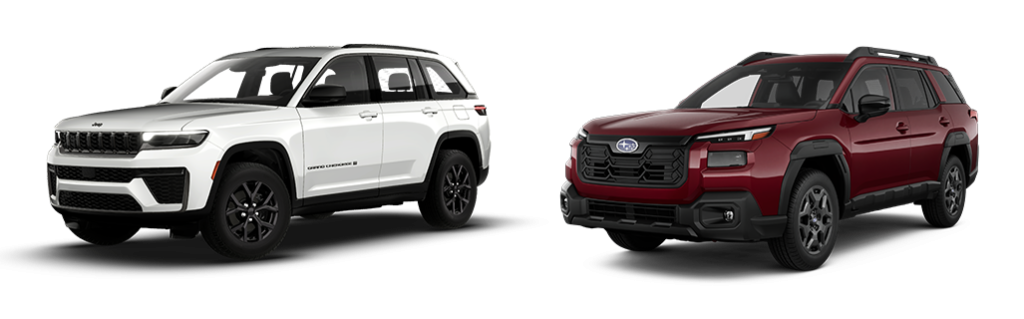
Subaru Outback vs Jeep Grand Cherokee: Capability and Comfort Compared
If you're shopping for an SUV near Old Bridge, NJ, the Subaru Outback and Jeep Grand Cherokee are two well-known options. Both offer SUV capability and modern technology, but they take very different approaches. The Jeep Grand Cherokee leans toward traditional SUV luxury and size, while the Subaru Outback focuses on all-weather confidence, long-term reliability, safety, and everyday comfort. When you compare the two in the areas that matter most to real-world drivers, the Subaru Outback stands out as the smarter and more versatile choice. Subaru Outback vs Jeep Grand Cherokee: Key Differences Category Jeep Grand Cherokee Subaru Outback Consumer Reports Reliability Below average reliability Top-tier brand reliability Brand Reliability Ranking Ranked much lower Top-ranked brand AWD Available or trim-dependent Standard Symmetrical AWD Safety Recognition Mixed safety performance IIHS Top Safety Pick+ Capability Traditional SUV approach Adventure-ready and efficient Comfort Comfortable but larger and heavier Smooth ride and excellent visibility Long-Term Value Higher ownership uncertainty Strong resale and durability Shop Subaru Outback Inventory Reliability: Subaru Holds a Major Advantage Long-term ownership is one of the biggest differences between these SUVs. Consumer Reports continues to rank Subaru among the most reliable automotive brands, while Jeep ranks significantly lower in predicted dependability. The Jeep Grand Cherokee is currently predicted to be less reliable than the average new vehicle, according to Consumer Reports' reliability data. That matters. Higher reliability means: Fewer unexpected repairs Less time in the service department Lower ownership stress Better long-term confidence The Outback has built its reputation around dependable performance, and that reputation continues to be one of Subaru's biggest strengths. Consumer Reports and Long-Term Value The Subaru Outback consistently earns strong praise for balancing comfort, safety, capability, and ownership satisfaction. Consumer Reports regularly highlights the Outback's: Comfortable ride Practical interior Standard safety technology Strong overall ownership value Meanwhile, Jeep reliability and ownership consistency remain weaker overall. Consumer Reports brand rankings place Subaru near the very top for dependability, while Jeep ranks much lower. For drivers planning to keep their SUV for years, that difference becomes hard to ignore. Capability: Subaru Confidence vs Traditional SUV Size At first glance, many shoppers assume the larger Jeep automatically means better capability. Every Subaru Outback comes equipped with Symmetrical All-Wheel Drive standard, delivering: Continuous power to all four wheels Better traction in rain and snow Improved control on slippery roads Confidence during New Jersey winters The Grand Cherokee offers capable four-wheel-drive systems on select models, but AWD and off-road capability often depend on trim level and added cost. Subaru's AWD system comes standard and works full-time. That difference matters for everyday driving. The Outback also offers: 8.7 inches of ground clearance Available X-Mode® traction management Hill Descent Control Available Wilderness trim for added adventure capability The result is an SUV built for real-world conditions, not just occasional off-road use. Recent reviews of the Outback Wilderness highlight its upgraded suspension, refined ride, and strong off-road confidence while maintaining everyday comfort. Safety: Outback Continues to Lead Safety is another major area where the Subaru Outback shines. The Subaru Outback earns IIHS Top Safety Pick+ recognition and continues to receive strong crash-test performance and advanced safety ratings. Subaru EyeSight® Driver Assist Technology includes: Adaptive Cruise Control Automatic Emergency Braking Lane Centering Lane Departure Warning The Grand Cherokee includes modern driver-assistance technology as well, but Consumer Reports notes it does not meet all advanced safety requirements, and certain crash-test results have been less consistent. For families and commuters alike, that additional confidence matters. Comfort and Everyday Driving The Jeep Grand Cherokee offers a larger footprint and upscale interior options, but bigger does not always mean better. The Subaru Outback focuses on comfort that works for everyday life. Drivers appreciate: Smooth ride quality Excellent outward visibility Easier maneuverability Comfortable seating Quiet highway driving The Outback blends wagon practicality with SUV confidence, making it especially appealing for commuters, families, and outdoor lifestyles. Its thoughtful design includes: Standard roof rails Flexible cargo solutions Spacious interior layout User-friendly technology For many drivers, the Outback simply feels easier to live with every day. Why the Subaru Outback Is the Better Choice When you compare these SUVs beyond size and marketing, the Subaru Outback clearly stands apart. It delivers: Higher reliability and stronger ownership confidence Standard Symmetrical All-Wheel Drive Top-tier safety recognition Adventure-ready capability Comfortable everyday driving Better long-term value The Jeep Grand Cherokee offers size and traditional SUV styling, but the Subaru Outback delivers a better balance of capability, comfort, and dependability. Test Drive the Subaru Outback in Old Bridge, NJ If you're looking for an SUV that combines confidence, comfort, and proven long-term value, the Subaru Outback is the clear choice. Visit All American Subaru in Old Bridge, NJ, to explore available Subaru Outback models and experience the difference for yourself. Contact All American Subaru